By the end of this course, you will:
-
Identify and diagnose the most common challenges in remote teams, including feelings of disconnection and isolation.
-
Differentiate management approaches for high-performing independent employees versus those who require more structure and oversight.
-
Develop and implement a system of clear expectations that focuses on measurable outcomes (productivity) rather than observable inputs (activity).
-
Apply fair and consistent management practices to address low productivity, poor-quality work, and team conflict, knowing when to involve Human Resources.
-
Design a structured communication and connection plan that leverages technology for both formal check-ins and informal social interaction to build team cohesion.
-
Recognize the importance of and promote healthy work-life boundaries and personal well-being habits among remote team members.
-
Identify key U.S. employment laws (FMLA, ADA, FLSA, Title VII) and explain their application and implications for managing remote employees.
- Teacher: Licona Training
Once you finish this course, you will:
-
Implement advanced Agile frameworks (Extreme, SAFe, Lean).
-
Apply Earned Value Management (EVM) for performance tracking.
-
Manage procurement and contracts effectively.
-
Lead organizational change and PMO implementation.
-
Conduct advanced risk analysis (Monte Carlo).
-
Demonstrate ethical leadership in PM.
-
Strategically align projects with business goals.
- Teacher: Licona Training
Once you finish this course, you will:
-
Develop a detailed project plan with CPM/PERT analysis.
-
Create and manage a project budget.
-
Implement risk response strategies.
-
Apply quality assurance techniques.
-
Lead a project team and manage conflicts.
-
Use PM tools for scheduling and tracking.
-
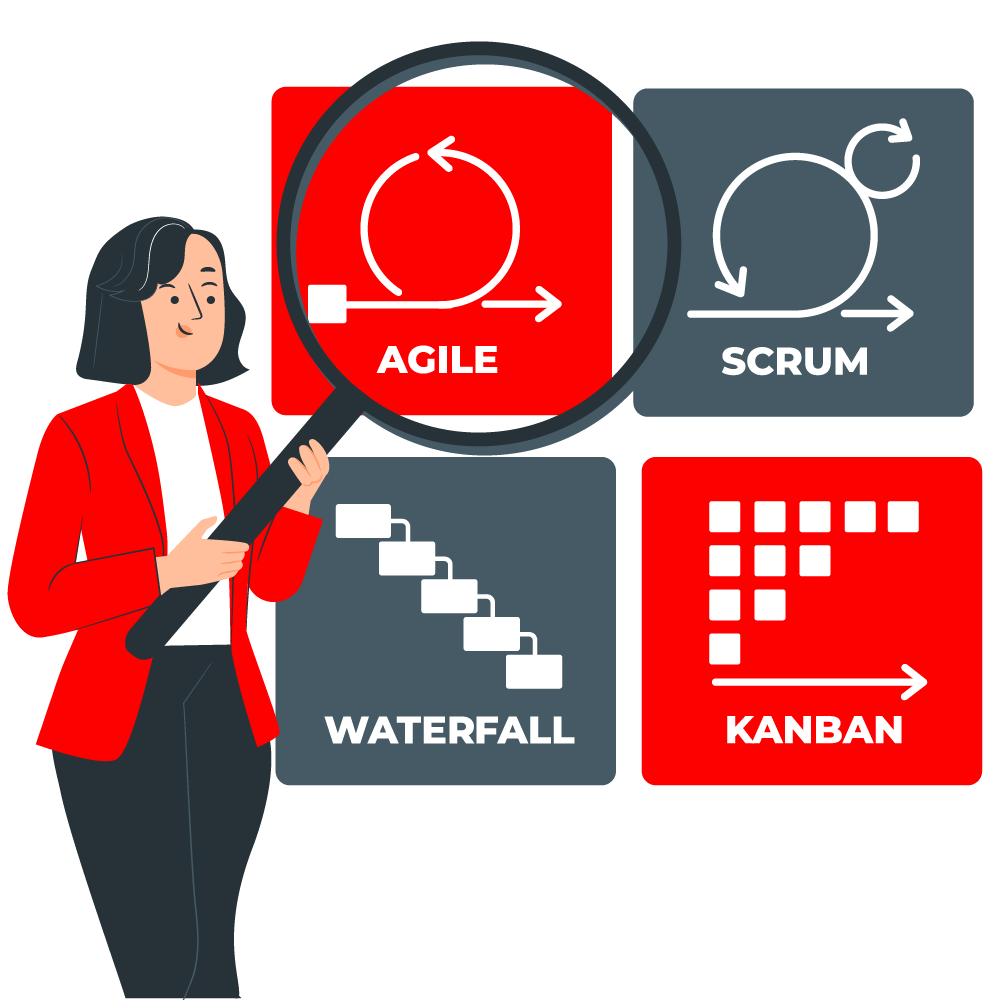
Implement Agile methodologies (Scrum/Kanban).
- Teacher: Licona Training

At the end of this course, you will:
- Define what a project is and differentiate it from operations.
- Explain the project lifecycle and key constraints.
- Create a simple WBS and Gantt chart.
- Identify stakeholders and basic risks.
- Compare Agile and Waterfall approaches.
- Teacher: Licona Training